


Vienna, long known as a centre for classical music and imperial history, is rapidly emerging as one of Europe’s most dynamic crypto hubs, with an 18% penetration rate for cryptocurrencies.
The country now hosts more than 230 crypto and blockchain companies. In fact, there are 400 physical and online stores accepting cryptocurrencies (including traditional restaurants like “Gasthaus”), as well as 130 companies and institutes being active in R&D. This growth is primarily driven by Vienna’s progressive regulatory stance and the FMA’s hands-on support.
Last week, Tech Funding News attended the Bluechip Conference 2025, one of the first crypto conferences held on November 6-7, right in the city centre of Vienna. The event showcased not only Vienna’s international connectivity and tech scene but also a regulatory, financial, and corporate momentum.
Here’s why Vienna is becoming Europe’s next crypto hub!
Why Austria? And, most importantly, why now?
In an exclusive conversation with TFN, Birgit Reiter-Braunwieser, Director CEE and Research Location at the Austrian Business Agency, explains, “Austria is a modern and efficient, highly digitalised place where tech companies are thriving. The crypto topic is especially current here, and Austria has carved a unique selling point thanks to its strong regulatory environment.”
Vienna’s competitive advantage also lies in efficient licensing timelines (under six months), making it more attractive than hubs like Lisbon, Zurich, or Tallinn. MiCA, fully effective since late 2024, standardises EU-wide rules, easing market entry and boosting trust.
This regulatory environment offers a real edge. Jakob Cencic, Director of Research Location at the ABA, tells us: “Austria’s regulatory authority understands crypto business models well. On the one hand, it offers a very safe regulatory environment. On the other hand, it’s flexible, working closely with crypto companies to secure required licenses.”
Venture investors echo this, noting a “wave of international wallet providers” seeking European licenses in Vienna. Maximilian Schausberger, Managing Director of Elevator Ventures, says, “What we hear is that there are a lot of international wallet providers actually applying for European licenses here in Vienna, which I think is a positive sign… The presence of these global firms creates jobs, spin-offs, and vital spillover effects for the broader ecosystem.”
Active regulatory engagement, the new MiCA framework, and a robust innovation ecosystem
Austria has also attracted international players such as Bitpanda, Bybit, and Kucoin, whose presence is supported by active regulatory engagement, the new MiCA framework, and a robust innovation ecosystem.
Another example is Blockpit, an Austrian company pioneering crypto tax software. As Schausberger notes, “Blockpit is doing the tax calculation for crypto traders, including handling complex cross-wallet, multi-asset regulation. As new rules emerge, technologies like these are putting Vienna at the centre of compliant financial innovation.”
Benjamin Levit, CEO of Bluechip and co-organiser of the Bluechip conference, explains, “The main reason they expanded to (or in Bitpanda’s case stayed in) Vienna is the presence of Austria’s Financial Market Authority (FMA), known for its clear regulatory framework and strong reputation. Establishing an EU base under the FMA’s supervision helps enhance credibility and trust among both users and institutional partners. Compliance with European financial standards was also a major consideration, as it allows them to operate securely and transparently across the EU.”
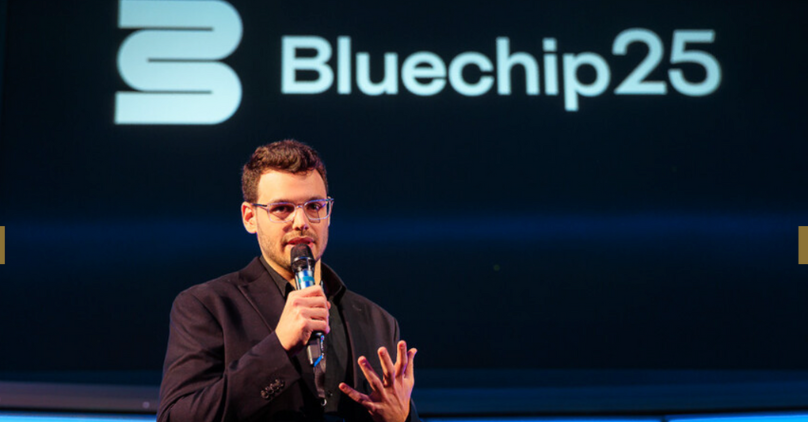
In a conversation with TFN, Georg Harer, Managing Director, EU, Bybit, one of the latest international exchanges to put down roots, recalls, “It became clear that a European entity and headquarters were needed. Vienna’s professional, efficient regulators actually come from the industry, making the licensing process both strict and practical. You openly discuss the products, and they’re efficient. If you go elsewhere, you might find it easier, but we wanted to be in a regulated, trusted environment in the heart of Europe.”
Harer points out, “It’s easier to attract world-class tech minds to Vienna than to more remote European jurisdictions. Vienna is not just welcoming established names: the Bybit team expects the city to foster its own ‘crypto unicorn factories,’ homegrown startups destined for the global stage.”
Plus, Raiffeisen Bank International is leading a pan-European stablecoin initiative with eight major banks, a first in the EU. Set to launch in late 2025, this initiative aims to set interbank stablecoin standards and foster fintech innovations.
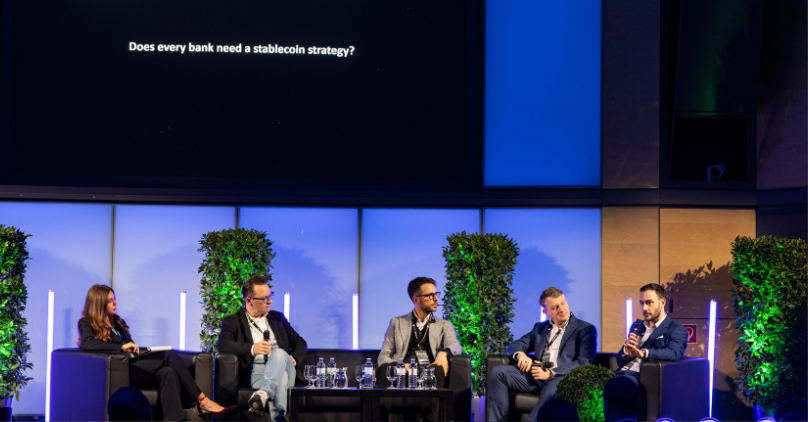
As shared at the Bluechip Conference, this initiative is about more than pilots: “If nine European banks [work together], we can set standards for interbank stablecoin transfers across the continent. The real opportunity will be in the applications, startups and fintechs that build on top of this infrastructure in the coming years.”
What’s next for Vienna?
Despite stiff competition from Lisbon’s tax incentives, Zurich’s banking legacy, and other European hubs, Vienna’s regulatory transparency, institutional support, and growing international appeal position it well for sustained growth.
Harer concludes, “In the next decade, we’ll see not just the big names, but genuine homegrown success stories; Vienna can be the front-runner for finance’s next revolution.”
As Austria looks to reposition itself from a tourism and cultural centre to a tech and crypto powerhouse, Vienna’s ambitions are clear: local leaders increasingly see their city becoming for crypto what Frankfurt is for stocks or London is for banking.