

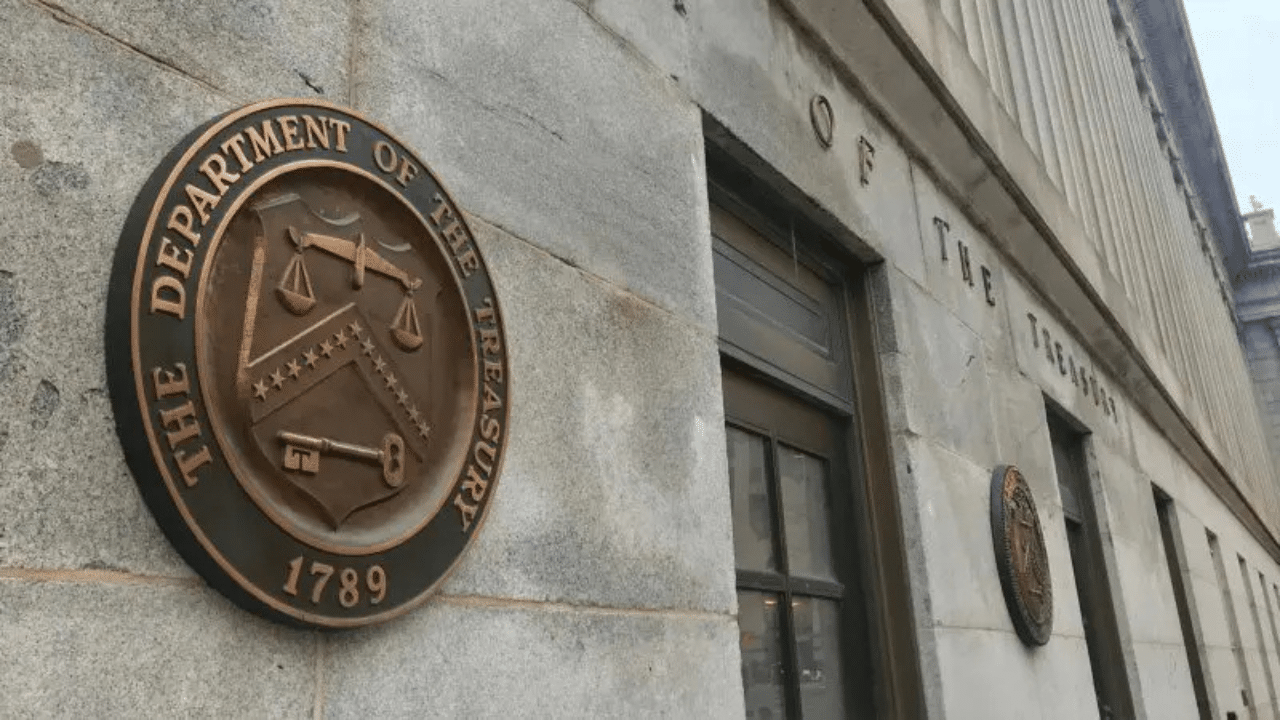
The US Treasury is weighing whether identity checks should become a built-in feature of decentralized finance platforms, a move that could redraw the rules for one of crypto’s most free-wheeling corners.
The proposal comes as part of a consultation process under the Guiding and Establishing National Innovation for US Stablecoins (GENIUS) Act, which was signed into law in July.
The law gives Treasury the task of exploring new compliance technologies, from APIs and artificial intelligence to blockchain monitoring tools—that could help detect and prevent illicit activity in digital markets.
One idea floated in the consultation is to embed digital identity credentials directly into DeFi smart contracts. In practice, this would mean a transaction on a DeFi protocol would only go through once a user’s identity had been verified, effectively bringing traditional Know Your Customer (KYC) and Anti-Money Laundering (AML) checks into the underlying code.
The department argues that such systems, whether based on government IDs, biometrics, or portable digital credentials, could reduce costs for firms while strengthening privacy protections for users.
Supporters say it could also give regulators and financial institutions a way to spot red flags, money laundering, sanctions evasion, or terrorist financing before a transfer is finalized.
But the idea comes with obstacles. Adding identity checks goes against DeFi’s open, permissionless design. Developers warn it could weaken user privacy or drive activity to platforms outside the US jurisdiction. Treasury has admitted the trade-offs, saying any approach will have to strike a balance between regulation and innovation.
Public comments are open until October 17, 2025. Once the review ends, Treasury will draft a report for Congress, which could lead to new guidance or formal rules.
For DeFi, it’s a significant moment. A sector built on open, permissionless code is now facing the possibility of identity checks written directly into its infrastructure, a sign that regulation is moving closer to the heart of the system.
Also Read: Treasury Secretary Bessent Says US Might Expand Bitcoin Reserve